admin
admin 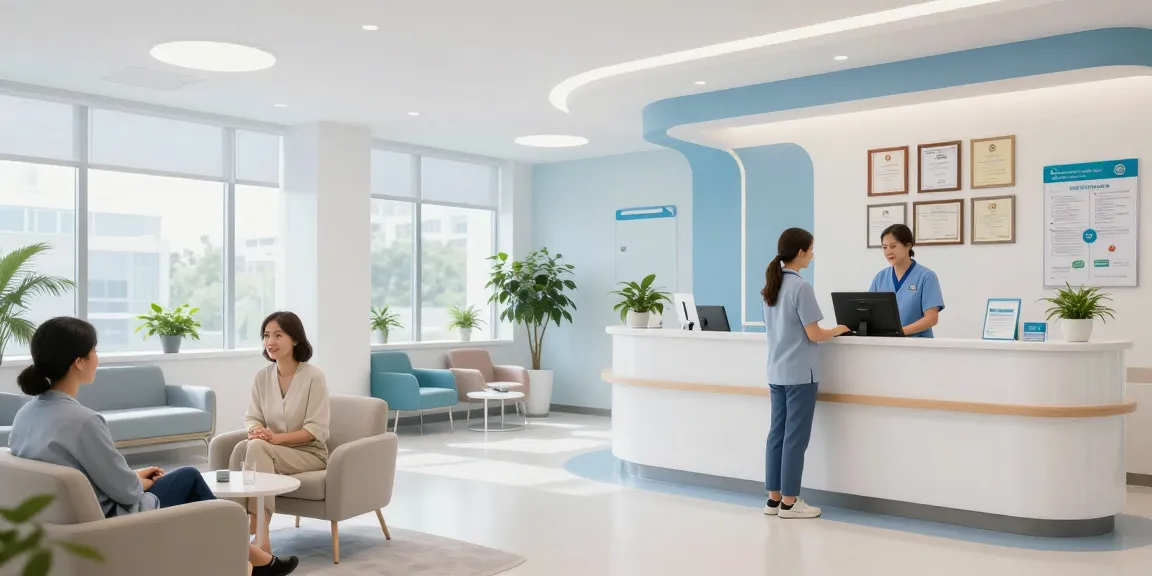
Understanding Current Medical Services and Innovations
As we navigate the evolving landscape of healthcare in 2026, it’s crucial to recognize the advancements that impact patient care and accessibility. Modern innovations such as telemedicine and artificial intelligence are reshaping the way patients and providers interact, making healthcare more accessible than ever before. For those exploring options within this dynamic sector, luck8 bet provides comprehensive insights into related opportunities.
Advances in Telemedicine for Accessibility
Telemedicine has revolutionized healthcare delivery by allowing patients to have consultations with healthcare providers from the comfort of their homes. This is especially beneficial for those with mobility issues or living in remote areas. Advances in video conferencing technology and mobile health applications have made it easier for patients to access mental health services, primary care, and specialty consultations. By 2026, healthcare systems are increasingly integrating telehealth services, ensuring patients can receive timely care without the barriers of traditional office visits.
Leading Primary Care Approaches for All Patients
Primary care is the cornerstone of any effective healthcare system, and new models are emerging to meet diverse patient needs. Patient-centered medical homes (PCMH) are gaining traction, emphasizing team-based care and chronic disease management. These models not only improve patient satisfaction and health outcomes but also enhance coordination among healthcare providers, reducing redundancies and improving care continuity.
Evidence-Based Practices in Chronic Disease Management
Chronic diseases such as diabetes, hypertension, and heart disease require precise management strategies that are grounded in evidence-based practices. Healthcare providers are increasingly focusing on individualized treatment plans that incorporate lifestyle modifications, regular monitoring, and patient education. By leveraging data analytics and patient feedback, providers can fine-tune interventions and improve overall health outcomes, illustrating the critical role of personalization in modern medicine.
Best Practices in Patient Care and Support
Creating an environment that supports patient care is essential for achieving optimal health outcomes. Innovative practices are continuously being explored to enhance the patient experience, promote recovery, and ensure ongoing support. Empowering patients through education and engagement remains at the forefront of healthcare strategies.
Creating a Compassionate Healthcare Environment
The foundation of effective healthcare lies in compassion. A healthcare environment that fosters empathy allows for better patient-provider relationships and enhances the quality of care. Training healthcare professionals in communication skills and cultural competencies is vital, as these aspects foster understanding and trust, ultimately leading to better patient adherence to treatment plans.
What to Expect During Your Doctor Consultation
Understanding what to expect during a consultation can significantly reduce anxiety for patients. Typically, a visit will include a thorough health assessment, discussions about symptoms or concerns, and possible diagnostic tests. Patients are encouraged to ask questions and be active participants in their care to foster better outcomes.
Importance of Clear Communication in Treatment Plans
Clear communication is essential in healthcare, especially when developing treatment plans. Patients must understand their conditions, treatment options, and the importance of following prescribed regimens. Utilizing teach-back methods, where patients repeat back what they have understood, can reinforce learning and ensure that all parties are aligned in the patient’s care strategy.
Preventive Health and Wellness Screenings
Preventive care is pivotal in mitigating health risks and ensuring early detection of potential conditions. Current healthcare guidelines advocate for regular screenings based on age, gender, and risk factors, promoting proactive health management and education among patients.
Innovative Approaches to Routine Health Screenings
Routine health screenings are evolving, with numerous innovations enhancing their effectiveness. Mobile health units, home testing kits, and artificial intelligence in diagnostic tools are becoming more prevalent, facilitating early disease detection and personalized preventive strategies tailored to individual risks.
Personalized Wellness Plans for Patients
Healthcare providers are placing increased emphasis on personalized wellness plans that cater to individual health profiles and lifestyles. These plans often combine nutritional guidance, physical activity recommendations, and mental well-being strategies, aligning with evidence-based health practices to empower patients in achieving their health goals.
Utilizing Technology for Health Tracking and Monitoring
Technology plays a pivotal role in health tracking, with wearable devices and mobile applications offering real-time data monitoring for parameters such as heart rate, blood pressure, and physical activity levels. This data can be shared with healthcare providers to inform treatment decisions and foster engagement in patient self-management, enabling a proactive approach to health.
Mental Health Awareness and Options for Care
Mental health has gained heightened recognition as a critical component of overall health, and accessibility to mental health resources is improving. As society becomes more open about mental health challenges, innovative treatment approaches are emerging to provide support.
Recognizing Signs of Mental Health Conditions
Early detection of mental health issues enhances the effectiveness of treatment. Patients and families should be educated about the symptoms of conditions like anxiety, depression, and bipolar disorder. Awareness campaigns and educational materials can empower individuals to seek help sooner, ultimately improving prognosis.
Compassionate Therapies and Treatment Approaches
Modern mental health care emphasizes compassionate, patient-centered approaches. Evidence-based therapies such as cognitive-behavioral therapy (CBT), dialectical behavior therapy (DBT), and mindfulness practices are being integrated to address mental health conditions holistically, ensuring comprehensive care that considers emotional, psychological, and physical well-being.
Community Resources for Mental Health Support
Community resources are essential in providing access to mental health care. Collaborations between healthcare providers and community organizations can create a network of support for individuals needing assistance. Offering workshops, support groups, and crisis intervention resources helps foster resilience and promote mental well-being.
Dental and Oral Health Trends for 2026
Oral health is an integral component of overall health, and recent trends are reflecting this interconnection. Preventive dentistry, advanced treatment options, and patient-centered care are now defining the dental landscape.
Importance of Regular Dental Check-ups
Regular dental check-ups are not just about maintaining aesthetics; they are crucial for preventing serious health issues. Routine examinations and cleanings can help identify early signs of tooth decay, gum disease, and other systemic health problems that may have oral manifestations.
Advanced Technologies in Dental Care
Technological advancements in dental care are transforming the way treatments are delivered. Innovations such as laser dentistry, 3D imaging, and teledentistry are improving outcomes and patient experiences while enhancing the efficiency of diagnostics and interventions.
Integrating Oral Health with Overall Wellness
Oral health initiatives are increasingly recognizing the link between oral hygiene and overall wellness. Integrative approaches that include nutrition, tobacco cessation, and disease management are rising. Patients benefit from understanding how oral health directly impacts conditions like diabetes and cardiovascular diseases.
What should I do if I have concerns about my health?
If you have any health concerns, it’s important to consult with a healthcare provider who can assess your symptoms and provide an appropriate action plan. Early intervention is key to managing potential health issues effectively.
How can I find a trusted healthcare provider?
Finding a trusted healthcare provider can be facilitated by researching their credentials, reading patient reviews, and seeking recommendations from friends or family. It’s also beneficial to schedule a consultation to gauge comfort and compatibility.
What are the latest trends in preventive health care?
Current trends in preventive health care include the use of technology for health monitoring, personalized health plans, and a growing focus on mental health as part of overall wellness strategies. These trends aim to empower patients and promote proactive management of health.